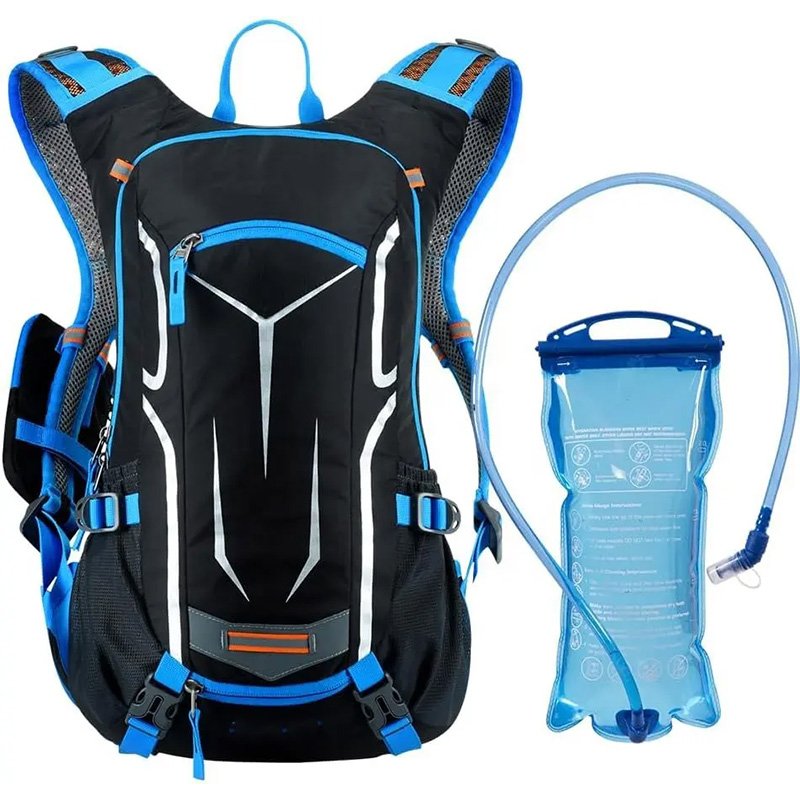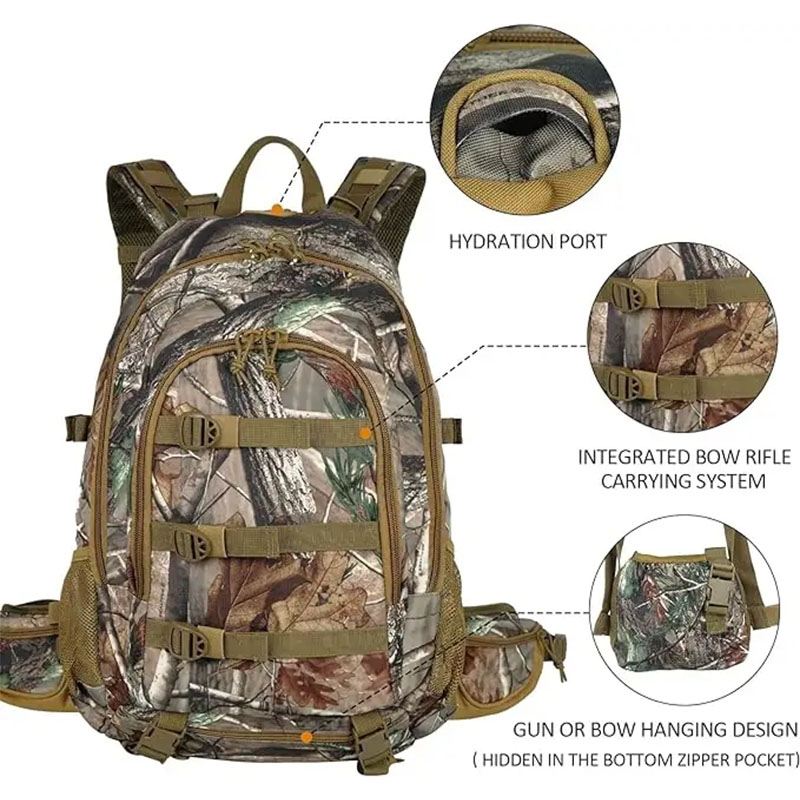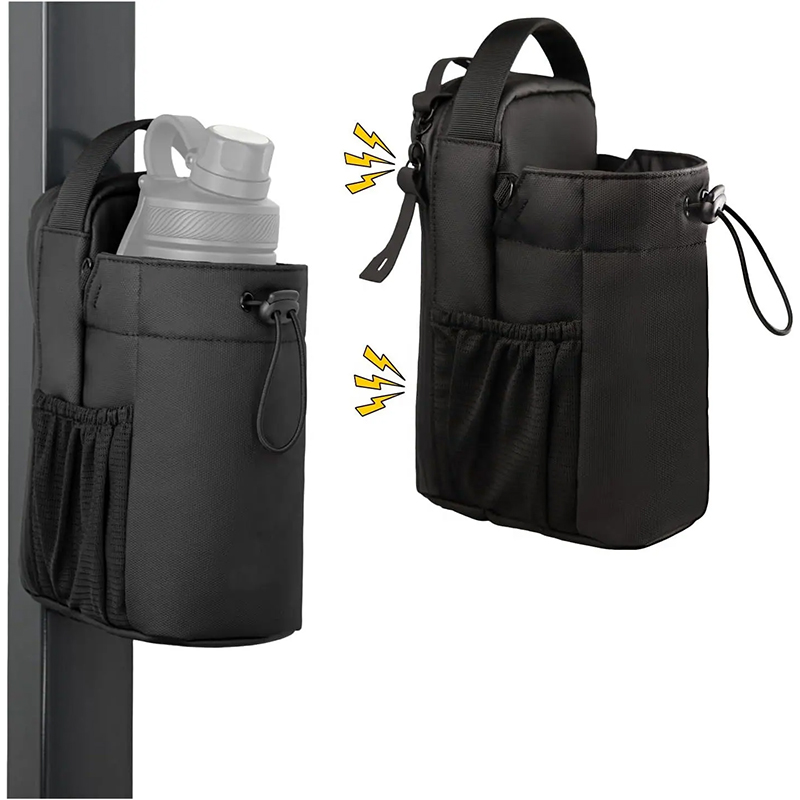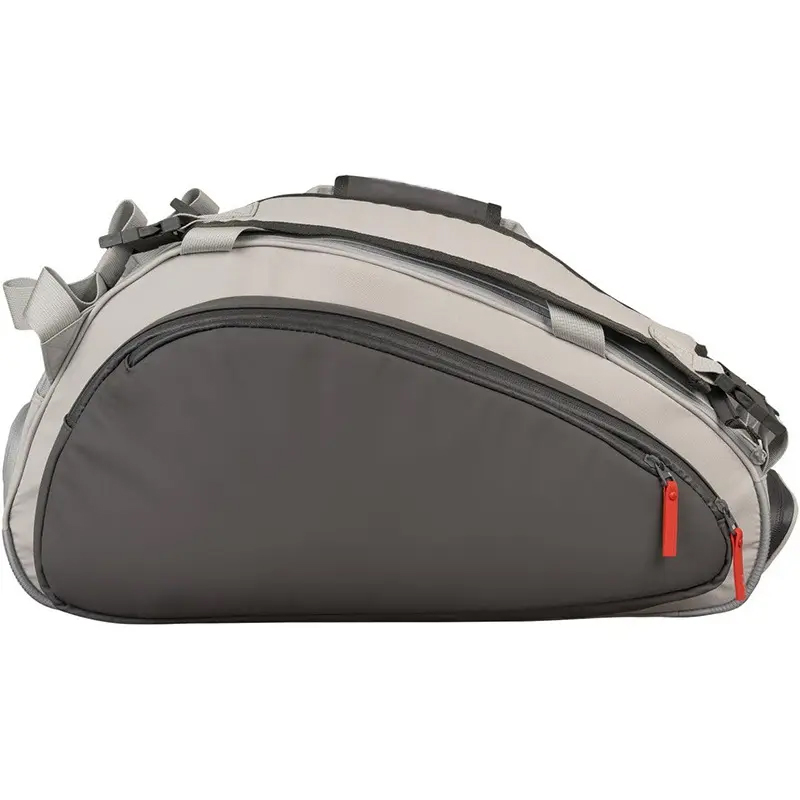
One common misunderstanding in waterproof bag development is that waterproof fabric automatically means a waterproof bag.
It doesn't.
A bag can be made with a waterproof TPU-coated or PVC material and still allow water to enter through stitched seams, zipper openings, attachment points or other construction details.
For brands developing a genuinely waterproof outdoor bag, waterproof performance needs to be considered as a complete system.
The starting point is the outer material.
Depending on the application, brands may consider TPU-laminated fabrics, PVC/tarpaulin, coated nylon, coated polyester or other waterproof materials.
But material selection should not be based on waterproof performance alone.
For example:
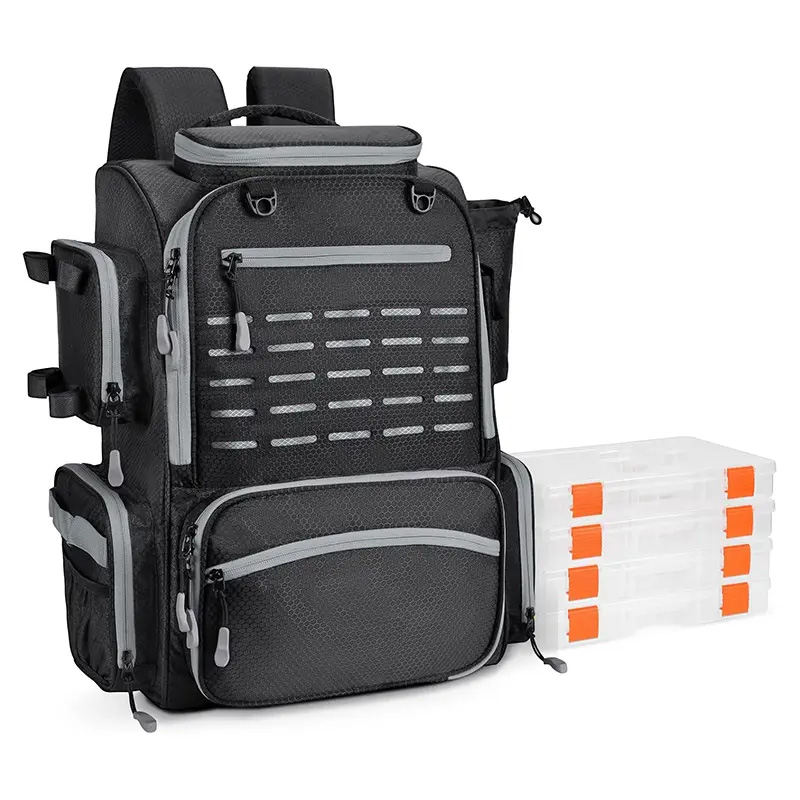
A fishing bag may need excellent abrasion resistance and easy cleaning.
A hiking bag may need to remain lightweight.
A hunting bag may need greater resistance to rough vegetation and wet environments.
A camping duffel may prioritize durability and storage capacity.
The best material is therefore the one that provides the right combination of water protection, durability, weight, flexibility and cost.
The seams are one of the most important areas to consider.
Traditional sewing creates needle holes through the material. Even when the fabric itself is waterproof, those holes can become potential pathways for water.
For higher waterproof requirements, manufacturers may use techniques such as high-frequency welding, heat welding or seam sealing, depending on the material and product design. Welded construction can join compatible coated materials without the needle holes created by conventional stitching.
This is particularly relevant for dry bags, waterproof fishing bags, motorcycle bags and other products designed for demanding wet environments.
Even when the body and seams are waterproof, the opening remains another potential entry point for water.
Different applications may require different solutions, such as:
Roll-top closures
Waterproof zippers
Sealed flaps
Welded openings
A roll-top design can provide a simple and reliable way to close a waterproof bag, while a waterproof zipper can offer faster access when convenience is more important.
The right choice depends on how the product will actually be used.
Waterproofing can also be compromised by seemingly small details.
Handles, webbing, D-rings, pockets, compression straps and other components may require careful construction because every additional attachment creates another potential route for water to enter.
This is why waterproof bag development often requires more attention to the entire construction, rather than simply selecting a waterproof fabric.
Finally, waterproof performance should be considered at the finished-product level.
A material specification can tell you how the material performs, but it does not automatically tell you how the completed bag will perform.
The seams, closures, pockets and attachment points all contribute to the final result.
For this reason, brands should define the expected level of water protection during product development and make sure the finished construction is evaluated against that requirement.
This is perhaps the most important takeaway for brands developing waterproof outdoor bags:
A waterproof bag is not created by one waterproof material. It is created by bringing together the right material, seam construction and closure system for the intended application.
That approach is especially important as waterproof products expand across fishing, hunting, hiking, camping, cycling and other outdoor categories.


Main Address: No.11 Huanxi Road, Yutou Village, Luoyang Town, Taishang Investment Zone, Quanzhou City, Fujian Province, CN, 362121
Mynamar Factory Address: Nr. 40, Shwe Pyithar Zone-4, Shwe Pyithar Township, Yoangon, Myanmar
Thailand Factory Address: 72/89 Moo 2 Unterbezirk Ban Bueng, Bezirk Ban Bueng, Provinz Chonburi 20170
 sales@ecoloombag.com
 Tel.: +86-18850228062
 Wechat/ Whatsapp+86-18850228062
 IPv6-Netzwerk unterstützt